

When MIT released its findings, one line stuck with many educators: students lose ownership when machines handle too much of the writing. Essay Eye was designed around the opposite principle — giving authorship back to the learner. Its goal isn’t to produce perfect essays; it’s to spark reflection and revision.
When a student submits a piece through Essay Eye, they don’t just get a grade or a redlined page. They receive a set of structured insights: clarity on argument strength, evidence, organization — paired with short reflection prompts like, “How would you rephrase this in your own voice?” or “What tone did you intend here?”
These small questions reawaken the same neural pathways the MIT team linked to deep engagement. The AI essay grader doesn’t close the loop; it leaves it open for the student to step through.
2. Reframing AI Grading as Cognitive Coaching
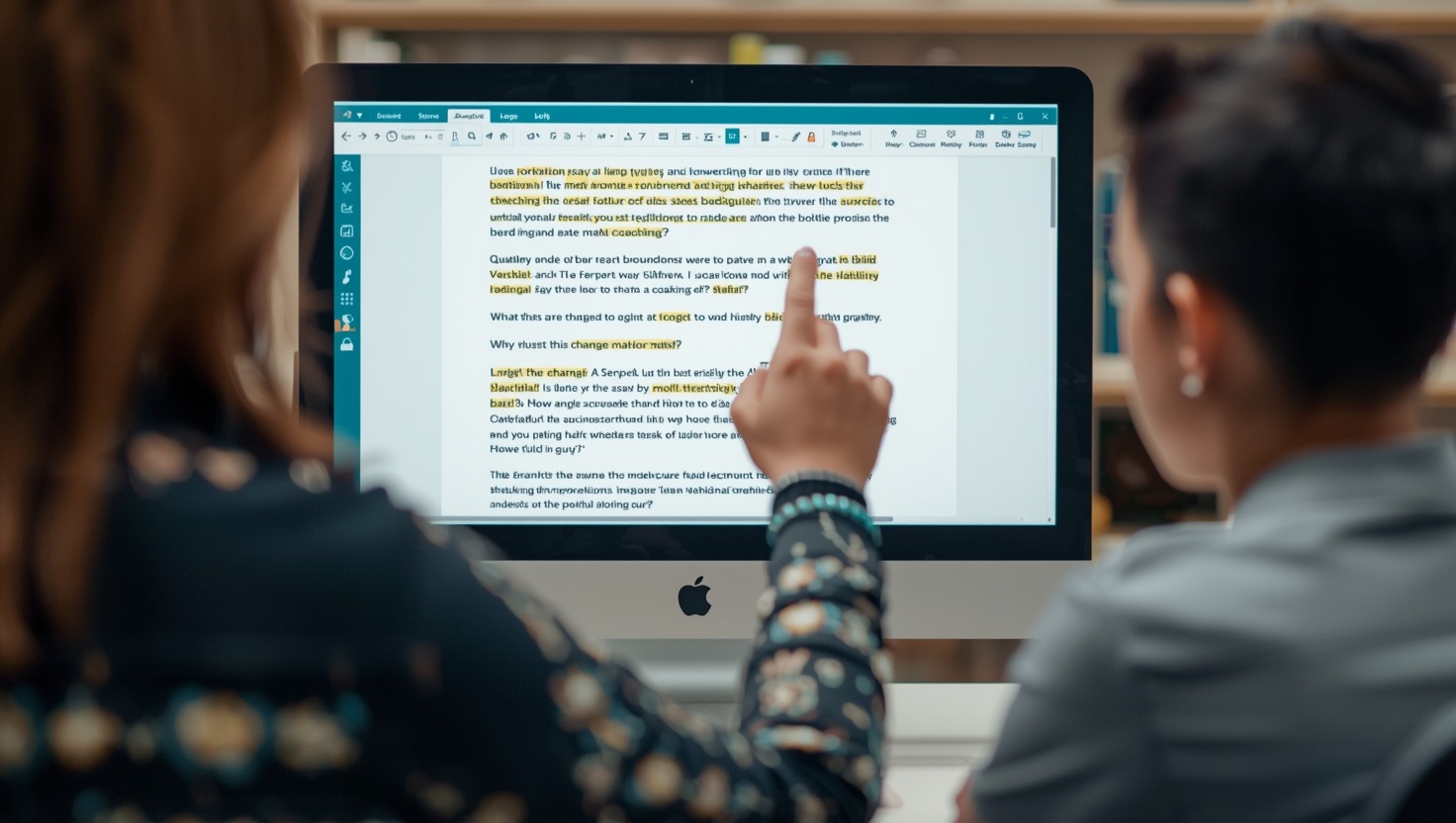
Essay Eye acts less like a traditional grader and more like a thoughtful coach. Teachers such as Ms. Lopez in Los Angeles use it during the drafting stages, not after the essay is finished. The platform’s AI essay grader for teachers highlights weak thesis statements or thin evidence — but it doesn’t stop there. Each flagged section comes with a follow-up question: “Why does this change matter?”
That second step is key. Every AI suggestion becomes a brief self-assessment. Over time, this changes the classroom rhythm. Instead of chasing points, students start paying attention to how clarity, tone, and evidence build meaning. What used to be grading now feels more like guided reasoning — metacognition in motion.
3. Aligning With MIT’s Findings on Neural Engagement
MIT’s researchers warned that “mental outsourcing” weakens neural connections. Essay Eye was built as a direct response to that warning. Its workflow mirrors the stages of engagement that keep the brain active:
Before feedback: students plan and write on their own, activating attention and organization centers.
During feedback: the system provides specific, domain-level observations — not replacements or rewrites.
After feedback: students revise and document their reasoning, engaging memory and synthesis.
Teachers piloting the system report a shift: students recall their earlier drafts more clearly and can explain why they changed certain phrases. In short, they remember their writing because they had to think about it.
4. Supporting Equity Through Scalable Feedback
The MIT study hinted at something familiar to every teacher — students who already think about their thinking adapt to AI more effectively. Essay Eye’s scaffolding helps bridge that gap.
For multilingual writers, feedback appears in accessible, plain language. For neurodiverse learners, the interface slows its pacing, showing one suggestion at a time so focus doesn’t scatter. Meanwhile, the AI essay grader for teachers dashboard gives educators a bird’s-eye view of student interactions: who revised, who ignored, and where human intervention still matters most.
That visibility is crucial. The design rests on a simple conviction — that technology should expand access to deep thought, not flatten it.

5. Using AI to Grade Essays—Without Losing Humanity
One of the oldest worries in education is that automation steals the human touch. Essay Eye pushes against that narrative. By reframing grading as a dialogue, it shows that using AI to grade essays can actually amplify personal feedback rather than replace it.
Teachers can review AI observations, modify them, or append notes of their own. It saves hours but keeps professional judgment at the center. The tool’s educator mode acts like a dimmer switch — allowing the teacher to decide how bright or subtle the AI’s presence should be.
The result is what one principal called “mechanical precision, human warmth.” Grading becomes conversation, not computation.
6. Continuous Reflection and Institutional Learning
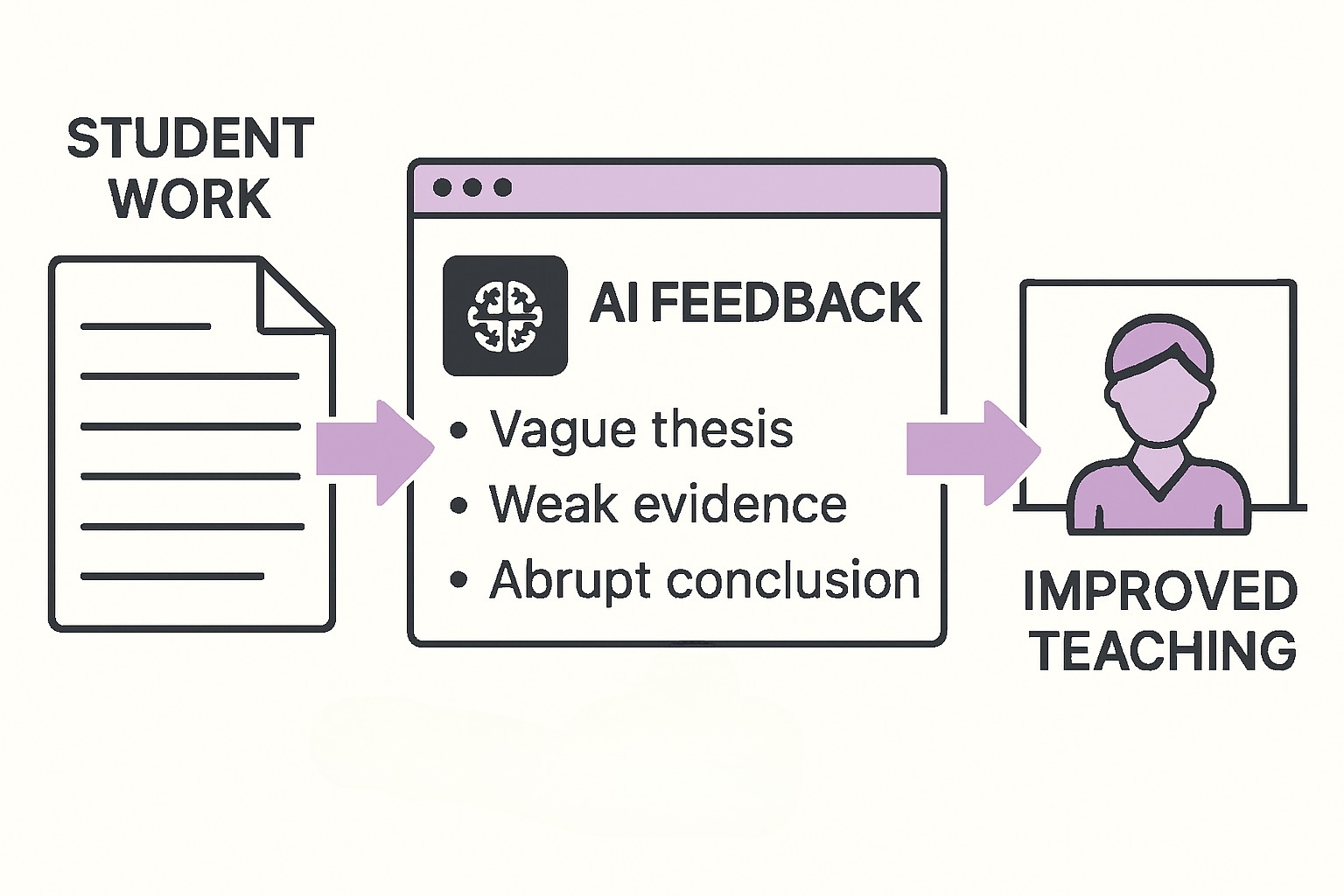
Schools testing Essay Eye are beginning to use it not just for grading, but for learning about learning. Aggregated, anonymized feedback patterns reveal recurring struggles — vague theses, uneven evidence, abrupt conclusions. Departments now use that data to refine instruction or build professional development around shared pain points.
This is AI as institutional reflection — an essay checker that doesn’t just mark errors but illuminates habits. It embodies the same vision MIT’s researchers imagined: tools that heighten awareness instead of automating cognition.
7. The Broader Pedagogical Shift
Essay Eye’s larger contribution isn’t a product; it’s a model. It shows what cognitive-aware design can look like in practice — technology that respects the slow work of thinking.
Learning improves not through efficiency alone but through engagement, agency, and reflection. Across several California districts, teachers who once feared AI would erase student voice are now seeing the opposite. The voice is returning — stronger, clearer, and more intentional — precisely because AI is being used to make thinking visible again.
8. The Human Equation
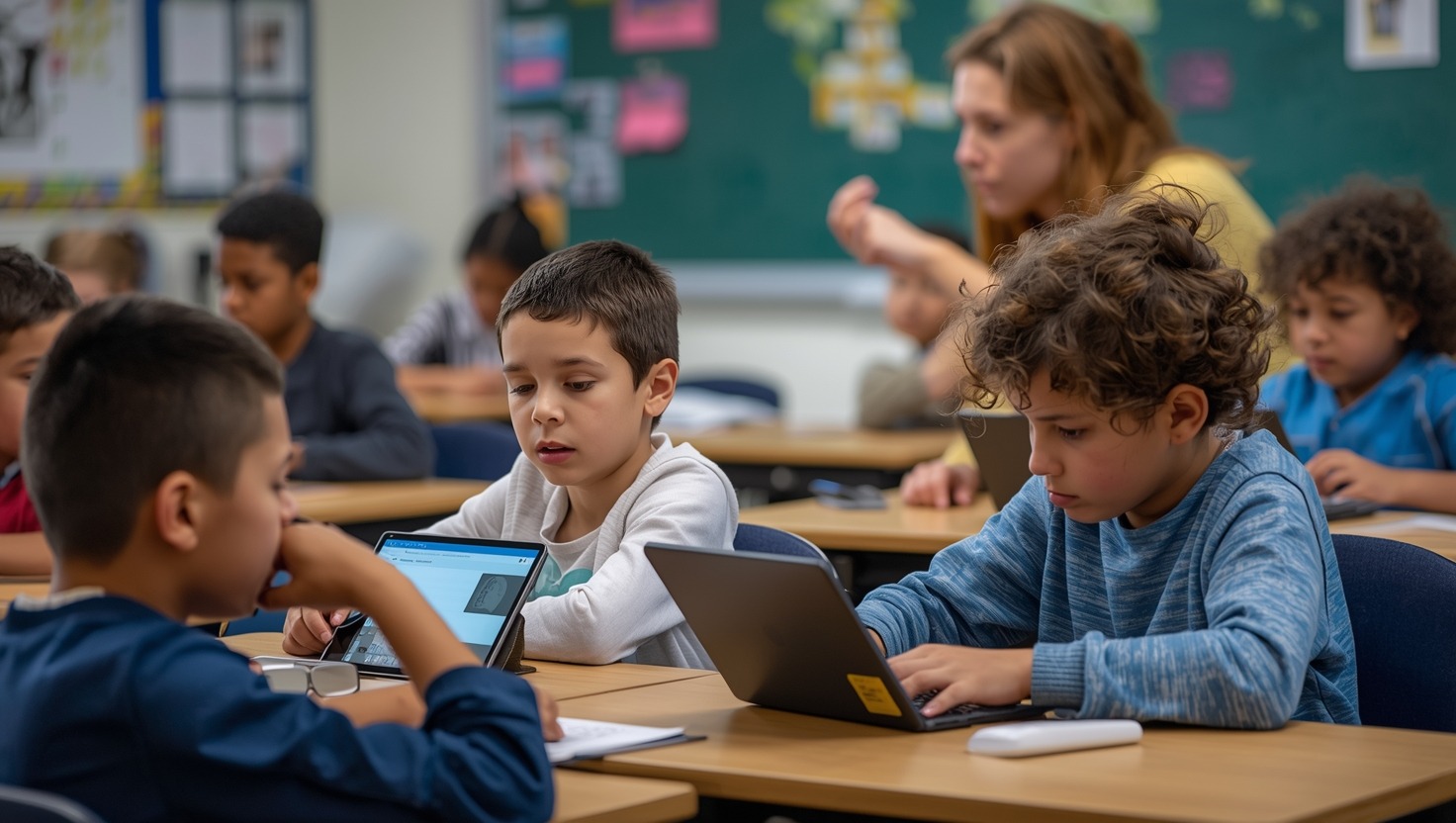
Every classroom moment eventually comes back to a conversation. A teacher leans over a desk and asks, “Why did you choose that word?” or “What feeling were you trying to get across?” AI can pose the first question, but only the teacher can hear the full answer.
Essay Eye exists to keep that exchange alive — to scale feedback without losing intimacy. One pilot teacher described it this way: “It’s like having another set of eyes that never forget what the goal really is — helping students hear their own voice.”
That might be the quietest but most important lesson from the MIT study: the brain learns best when it can recognize itself in its own words.